
How to Make Writing Lessons Fun
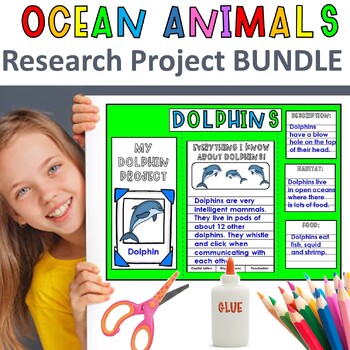
Making informational writing lessons fun for kids using animal research projects can be highly engaging and interactive.
Animal projects for kids are easily differentiated in that students can work independently or collaboratively with peer support in researching, gathering information, recalling facts and creating poster presentations.
Have students borrow a nonfiction book from the library and gather fun facts on their selected animal or check out this Animal Research Project BUNDLE that consists of reading passages that students can read and gather fun facts about dolphins, sea turtles, octopuses and penguins.
Students cut and paste templates to create a poster, lapbook or interactive notebook and when finished, deliver an oral presentation to the class!


How to Make Writing Lessons Fun
Making writing lessons fun requires integrating student interests in the learning area. Animals undoubtedly is a favorite topic which can easily be integrated into informational writing. This no prep Animal Research Bundle consists of the following 4 sea animal research projects:
1. Dolphins:
- ‘My Dolphin Project’ title page
- Reading Passage for students to highlight fun facts and main idea
- Research Planning Sheet (graphic organizer)
- Description
- Habitat
- Food
- Protection
- Fun Fact #1
- Fun Fact #2
- Flap Booklet (appearance, predators, life cycle, life span)
- Everything I Know About Dolphins (writing template)
- Bubble Map
- Dolphin Snap Shots
- Acrostic Activity
- Picture of a Dolphin (b/w)
- Digital version available via Easel
- ‘My Dolphin Project’ title page
- Research Planning Sheet (graphic organizer)
- Description
- Habitat
- Food
- Protection
- Fun Fact #1
- Fun Fact #2
- Flap Booklet (appearance, predators, life cycle, life span)
- Everything I Know About Dolphins (writing template)
- Bubble Map
- Dolphin Snap Shots
- Acrostic Activity
- Picture of a Dolphin (b/w)
- Digital Version available via Easel (ideal for upper elementary)
2. Octopuses:
- ‘My Octopus Project’ title page
- Reading Passage for students to highlight fun facts and main idea
- Research Planning Sheet (graphic organizer)
- Description
- Habitat
- Food
- Protection
- Fun Fact #1
- Fun Fact #2
- Flap Booklet (appearance, predators, life cycle, life span)
- Everything I Know About Octopuses (writing template)
- Bubble Map
- Octopus Snap Shots
- Acrostic Activity
- Picture of a Octopus (b/w)
- Digital version available via Easel
- ‘My Octopus Project’ title page
- Research Planning Sheet (graphic organizer)
- Description
- Habitat
- Food
- Protection
- Fun Fact #1
- Fun Fact #2
- Flap Booklet (appearance, predators, life cycle, life span)
- Everything I Know About Octopus (writing template)
- Bubble Map
- Octopus Snap Shots
- Acrostic Activity
- Picture of a Octopus (b/w)
- Digital Version available via Easel (ideal for upper elementary)
3. Sea Turtles:
- ‘My Sea Turtle Project’ title page
- Reading Passage for students to highlight fun facts and main idea
- Research Planning Sheet (graphic organizer)
- Description
- Habitat
- Food
- Protection
- Fun Fact #1
- Fun Fact #2
- Flap Booklet (appearance, predators, life cycle, life span)
- Everything I Know About Sea Turtles (writing template)
- Bubble Map
- Sea Turtle Snap Shots
- Acrostic Activity
- Picture of a Sea Turtle (b/w)
- Digital Version available via Easel (ideal for upper elementary)
4. Penguins:
- ‘My Penguin Project’ title page
- Reading Passage for students to highlight fun facts and main idea
- Research Planning Sheet (graphic organizer)
- Description
- Habitat
- Food
- Protection
- Fun Fact #1
- Fun Fact #2
- Flap Booklet (appearance, predators, life cycle, life span)
- Everything I Know About Penguins (writing template)
- Bubble Map
- Penguin Snap Shots
- Acrostic Activity
- Picture of a penguin (b/w)
- Digital version available via Easel
How to use this resource:
1. This project is not intended for students to complete in one sitting, but work through over 1 or 2 weeks.\
2. Provide students with a range of animal nonfiction texts or they can research facts via Junior Google
3. Students write and color the animal research project templates
4. They can choose their favorites (or all of the templates) to glue into their interactive notebooks
5. Another idea is having students create a lapbook with different components of these templates
6. Celebrate the end of this work by inviting students to proudly present their Animal Research Project
7. Finally, display completed work!
Join the Free Resource Libraryto receive exclusive FREE content!

Teacherinspo123 xo
Let’s connect!
Common Core Standards Covered
If you’re looking for a fun way to integrate the English and Science learning areas, read this blog!


No Comments